
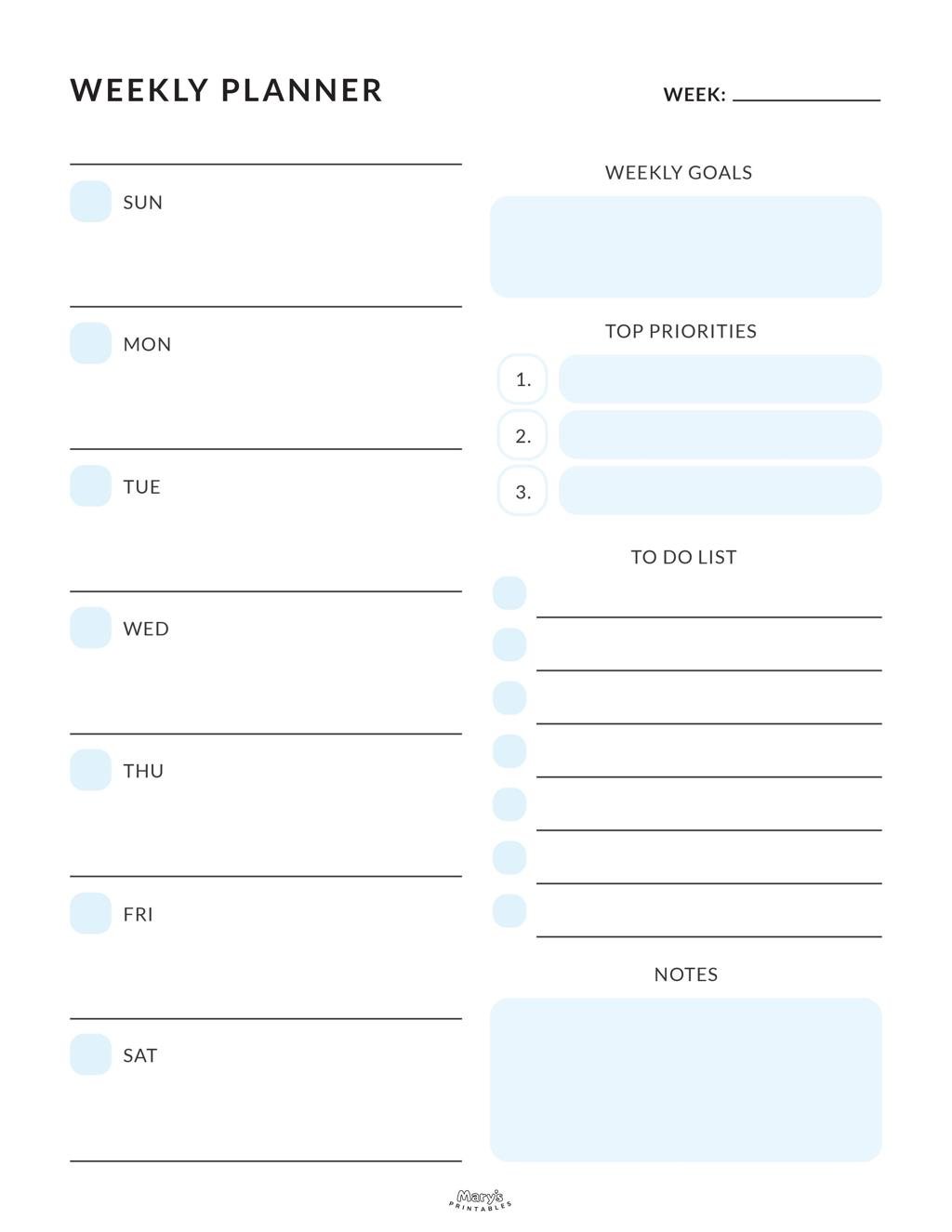
A good study schedule isn’t about filling every hour. It’s about making sure the important things get time before they become urgent. Here’s a simple way to build a weekly plan that fits real student life.
1. Start with your fixed commitments
Add lectures, seminars, labs, work shifts, travel time and any regular personal commitments first. These are the parts of your week you can’t move, so everything else fits around them.
2. List what needs to happen this week
Write down assignments in progress, reading, revision and any admin such as emails or applications. Be specific: “read chapter 4 and make notes” is easier to start than “study psychology”.
3. Choose your top three priorities
Not every task is equally important. Pick the three that would make the biggest difference this week and give them time first.
4. Plan focused study blocks
Many students find that blocks of 45–90 minutes, with short breaks, are easier to sustain than long sessions. Put demanding tasks in the times of day when you usually concentrate best.
5. Leave room for the unexpected
Lectures overrun, tasks take longer than planned and life happens. Leaving one or two flexible slots each week stops a single delay from derailing your whole plan.
6. Review at the end of the week
Spend ten minutes looking back: what worked, what didn’t and what needs to carry over. Each review makes next week’s plan more realistic.
Final thoughts
The best schedule is one you can keep. Start simple, adjust as you learn how you work, and treat your plan as a guide rather than a rulebook.
StudySprint tip: our Weekly Study Planner has space for timetables, priorities, study blocks and an end-of-week review.